New Global Data & A Call to Action
What are Social Issues?
Social issues are defined as a state of affairs that negatively affects the personal or social lives of individuals or the well-being of communities or larger groups within a society. Other definition quotes that social issues to be systemic challenges, impacting individuals and communities by hindering their well-being, rights, and development.
Poverty, inequality, discrimination, unemployment, health disparities, education gaps, climate injustice, food insecurity, etc. are often classified as social issues. Even though, the basic definition of social issues is agreed upon, there is no uniform methodology differentiating social issues from other problems that are less likely to directly impact the well-being of individuals and communities, such as economic, environmental, ethical, legal, or political problems, because, unlike individual problems, social issues are rooted in societal structures, policies, and power dynamics. Therefore, the overlapping of these problems as social issues continue to reinforce each other and increase the vulnerability of the most vulnerable in a disadvantage cycle.
Global Data on Social Issues
Looking at the latest reports from leading global organizations, we are exposed to an alarming picture of our world in 2025:
- Poverty & Inequality
- The 2024 MPI Report presents that
- 1.1 billion people living in poverty.
- Over 700 million people still live in extreme poverty.
- The 2024 MPI Report presents that
- Food Insecurity
- The 2025 State of Food Security and Nutrition in the World reports that:
- An estimated of 8.2% of the global population, estimated at between 638 and 720 million people, may have faced hunger in 2024.
- From 2025 to 2030, the global number of undernourished is expected to decrease, but 512 million people are still projected to be facing hunger in 2030, of whom nearly 60 percent will be in Africa.
- The 2025 State of Food Security and Nutrition in the World reports that:
- Mental Health
- The World Health Organization reports that
- Globally, 1 in 8 people live with a mental health condition.
- Globally, 1 in 7 10-19-year-olds experiences a mental disorder.
- More than 720 000 people die due to suicide every year.
- The World Health Organization reports that
- Employees’ Rights
- The 2025 Global Rights Index reports that:
- Employees had no or reduced access to justice in 72% of countries
- The right to the legal registration of unions was impeded in 74% of countries
- The right to collective bargaining was restricted in 80% of countries
- The 2025 Global Rights Index reports that:
- Climate Change
- The UNHCF reports that:
- An estimated 150 million people could be displaced by climate-related events by 2050.
- Climate stress disproportionately affects the poorest and most vulnerable.
- The UNHCF reports that:
How Social Issues Affect Our Everyday Lives
Social issues are affecting the lives of millions daily in visible and invisible ways:
- Families are working multiples jobs but still cannot afford the basic of survival.
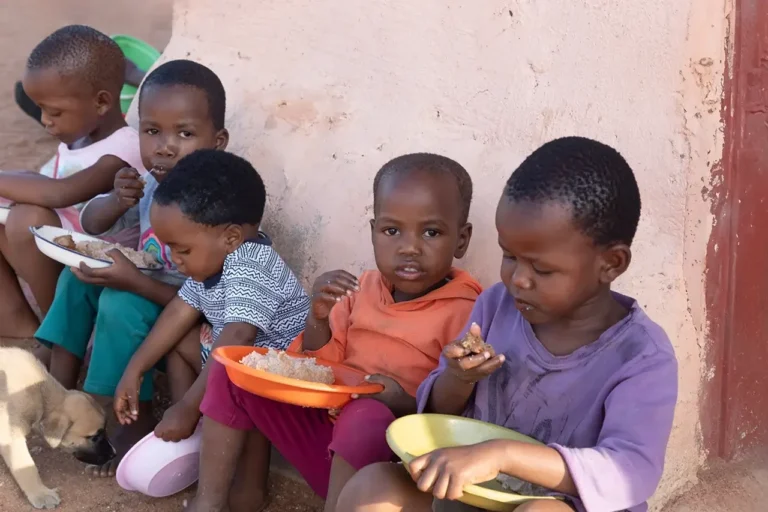
- Many children are walking long distance on empty stomach to access schooling, while these schools also lack basic supplies.
- Young graduates with potential are struggling to find employment in a malfunctioning job market.
- Women are facing domestic violence with no shelter or the mean to afford legal support.
- Climate-affected communities are watching their land disappear without available support for relocation.
Many people are facing these issues, some known and some unknown to societies and communities. These issues often lead to increased stress, which in turn reduced life expectancy. Intergenerational poverty is a fact; many people are left behind with no trust for social and democratic stability.
How Can We Address Social Issues?
Addressing social issues requires collective responsibility and ownership of action.
Here’s how:
- Ensure equal access to education, vocational training
- Stabilize the job market and reduce inequality
- Prioritize access to health care system
- Promote mental health and social connection
- Invest in social protection systems
- Strengthen legal and civic institutions
- Adopt climate-resilient policies
A Call to Action
At The Responsibles Foundation, we believe that resolving social issues begins with taking the shared responsibility and ownership across individuals, governments and non-governmental institutions, businesses and society.
Let’s commit to building a world where:
- Basic needs are guaranteed
- Opportunities are accessible
- Rights are protected
- And no one is left behind
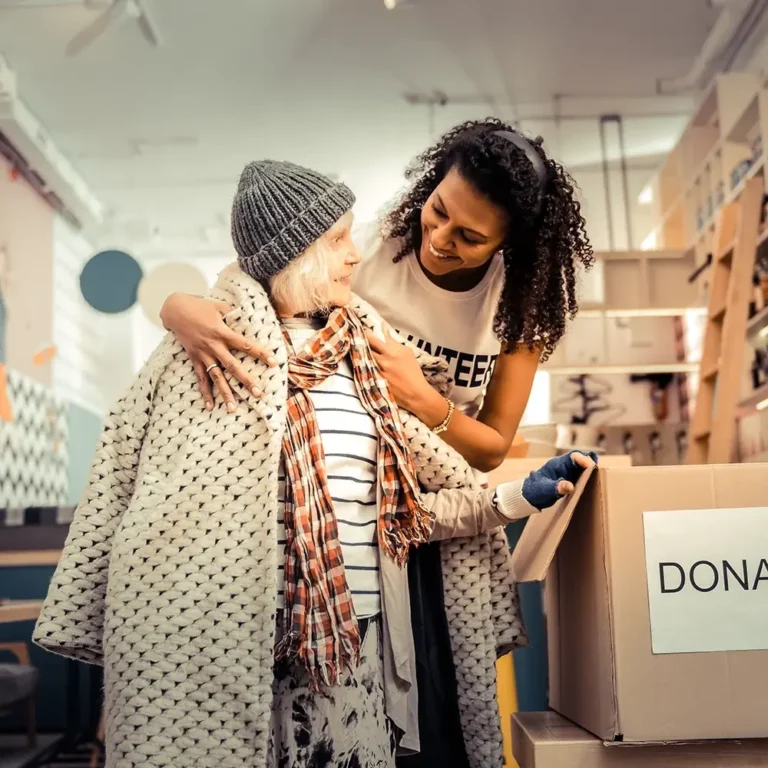
We invite you to be part of the change. Support, volunteer and help us raise awareness to support our mission.