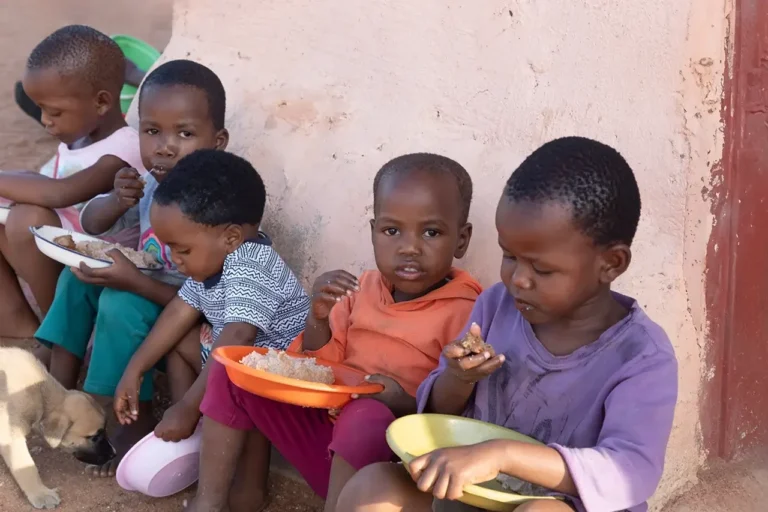
What People are Really Struggling With
Poverty is often measured in numbers, how much money someone makes, how many people fall below a certain threshold, or how many families rely on assistance. These numbers conceal a deeper problem, the hidden costs of poverty that do not show up in numbers. In 2025, millions of people around the world are living in poverty and battling the pains of social isolation and loneliness.
Poverty impacts more than your wallet, it can cause permanent changes to your physical and mental health, and social relationships. Living in poverty also increases the likelihood to take addictive substances, of smoking and of other activities that cause direct harm to the body. Yet, because such consequences are less visible or measurable, they are often excluded from the conversations on poverty.
Let’s unpacks what people are really struggling with in 2025: the unseen burdens of poverty and isolation, how they intertwine, and why understanding these hidden costs is essential if we want to build healthier, more connected societies.
Poverty & Social Isolation: A Vicious Cycle
Poverty and social isolation are deeply linked, feeding each other in ways that create burdens for millions of people worldwide. According to a report from the United Nations Sustainable Development Goals, in 2025, around 808 million people around the world are living in extreme poverty. In Europe alone, nearly 1 in 5 are at risk of extreme poverty. Poverty can push people out of communities, leading to strong feelings of loneliness, stigma and isolation from society.
Costs to Physical Health
The World Health Organization now estimates that loneliness and social isolation contribute to 871,000 deaths globally every year, putting them in the same category of risk as smoking and air pollution. Research shows isolation increases the risk of stroke by 32%, heart disease by 29%, and dementia by 50%.
For those already living in poverty, these risks are amplified. People in lower-income groups are three times more likely to report loneliness compared to those in higher-income households: 49–50% versus just 15%. Loneliness in these groups is often accompanied by physical pain, fatigue, and low mood; a biological stress response that wears the body down over time.
Costs to Mental Health
The mental health toll from poverty or social exclusion is just as, if not more severe than the impacts on physical health. Poverty gives rise to chronic stress about unsafe housing, financial insecurity, vulnerability to climate change and pollution, which can easily lead to depression and anxiety. This creates a vicious cycle: poverty makes you more vulnerable to mental illness, which in turn makes it harder to secure work, education or stable housing.
Social Barriers
Beyond the health toll, there are stigmas that make it harder to break out of poverty. The label of ‘poor’ often keeps people from seeking the help they need, fuels shame and deepens isolation. Research from the Joseph Rowntree Foundation highlights how the stigma of poverty worsens inequality by making individuals feel worthless and discourages them from trying to break out of it. At the same time, people struggling to make ends meet are deeply burdened by unpaid domestic labour, such as caregiving, household maintenance or simply survival tasks, which consumes too much time for them to seek paid employment. These barriers make escaping poverty harder and make you more vulnerable to isolation
What can we do to help?
At The Responsibles Foundation, we try to be solutions-oriented and find multifaceted solutions that can solve the problems created by the interaction between poverty and isolation.
- Strengthen Social Infrastructure: Build communities with strong networks, such as local clubs, libraries, community centres.
- Address Stigma: Engage with public campaigns and policy language to challenge the shame associated with poverty rather than reinforce it.
- Integrate Health and Social Policy: Support initiatives within the healthcare systems recognizing that loneliness and financial stress as serious health risks, not just “social issues.”
- Provide Financial and Time Security: Support the ecosystem of accessible financial support, not limited to fair wages, affordable housing, accessible childcare and more.
Conclusion
Social isolation and loneliness may be pervasive, but they are not inevitable. Communities, especially those that bring together people across generations, are powerful vehicles for connection, wellbeing, and resilience. Whether through storytelling, creative collaboration, or digital outreach, every interaction has the potential to strengthen meaningful connections and improve lives.
Visit our website to learn more about our work and discover how you can get involved. Together, we can create spaces where everyone feels valued, supported, and connected.
Resources
- Eurostat updated poverty and social exclusion statistics for the EU in May 2025 – EAPN
- Goal 1: End poverty in all its forms everywhere – United Nations Sustainable Development
- Loneliness and Social Isolation
- Oxford research explores how poverty and loneliness are linked to pain, fatigue and low mood | University of Oxford
- Poverty stigma: a glue that holds poverty in place | Joseph Rowntree Foundation