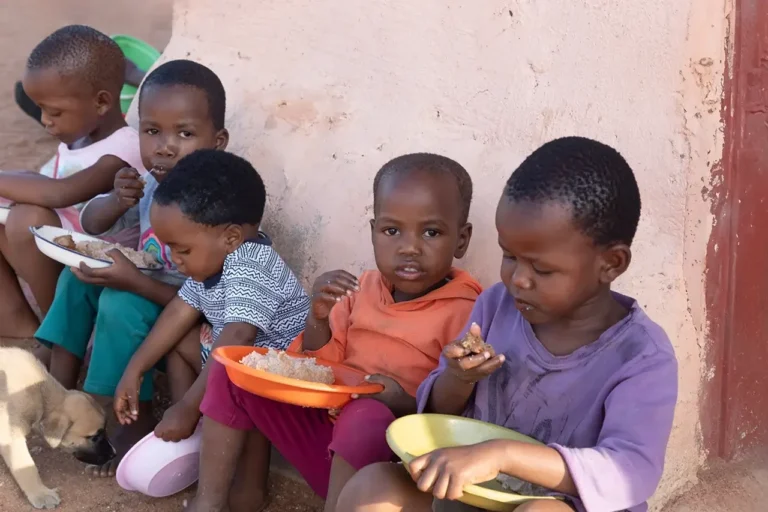
International Literacy Day
Celebrating the Power of Literacy as a Fundamental Right
Literacy is power; therefore, international literacy day is celebrated annually on September 8th. This day was chosen by UNESCO in 1966 and continues to highlight how important reading and writing skills are to build a strong foundation. While it has been nearly sixty years since this was established, literacy continues to be a problem across the globe, with millions lacking access to basic education. On this day, it is important to highlight the value of literacy and think critically about how we can bring these skills to everyone, because literacy is power.
The Value of Literacy
Literacy is power because, being literate goes beyond being able to read and write. It is about having the tools to articulate your beliefs and ideas. It is about being able to access professional opportunities. It is about being able to understand and utilise healthcare and other welfare resources.
- Economic empowerment
- One’s levels of education are directly correlated to their employment prospects. Most people in the world do not have the privilege to complete basic school education, which is a significant barrier to their economic growth. Education also allows for flexibility. In our fast-paced world, where technologies advance continuously and the ways of doing things
- Health & Safety
- Literacy can also boost one’s wellbeing. Those who have the capacity to read prescriptions, medical labels and their side effects, and other medical literature have a better understanding of their physical wellbeing and are at a lower risk of misdiagnosis or taking wrong doses of medication. Being literate is critical to physical security/
- Civic & Political Participation
- Being literate also helps to improve meaningful political participation. It is easy to get swayed by false promises when we cannot read or understand policies and party manifestos. Having education is integral to understanding political information, participating in community campaigns and even to understand voting. Literacy thus directly strengthens democracy and ensures that political processes are functioning the way they need to.
- Fostering Equality
- Marginalised communities are the most vulnerable to illiteracy. Poverty forces many to enter the labour force early, disadvantaging them. Many young children, especially women and girls are unable to complete school, furthering the gap between people.

What Can We Do?
At The Responsibles Foundation, we understand the integral value that literacy is power, and we are currently developing programmes to help children and lifelong learners. We believe that everyone should have the chance to learn new skills and broaden their horizons through education. Our initiatives will focus on providing different types of classes for children and adults, supporting teachers and volunteers, and help support people’s dreams through education.
How Can You Help Us?
You can help us and make a difference in your communities.
- Support local literacy projects: Volunteer time, donate books, or fund resources for schools and libraries.
- Champion educators and volunteers: Advocate for better compensation, resources, and recognition for the professionals and volunteers who teach and tutor.
- Empower lifelong learning: Encourage adults to continue their education, attend reading groups, or join skill-building workshops.
- Promote inclusive policies: Urge leaders to fund literacy programmes, end child labour, and provide fair access to education for marginalized communities.
Building a Literate Future Together
Literacy is power because it is the foundation of opportunity, equality, and participation in society. When adults and children can access quality education and develop strong reading and writing skills, they are better positioned to thrive economically, live healthier lives, and build engaged communities. A literate world is also a more just and resilient world, equipped to face challenges and create change.
On this International Literacy Day, The Responsibles Foundation invites everyone—partners, educators, families, and friends—to reaffirm their commitment to literacy. By investing in education, supporting those who teach, and breaking down barriers for underserved learners, we can achieve vibrant, empowered communities where everyone has the chance to read, learn, and succeed, because literacy is power.