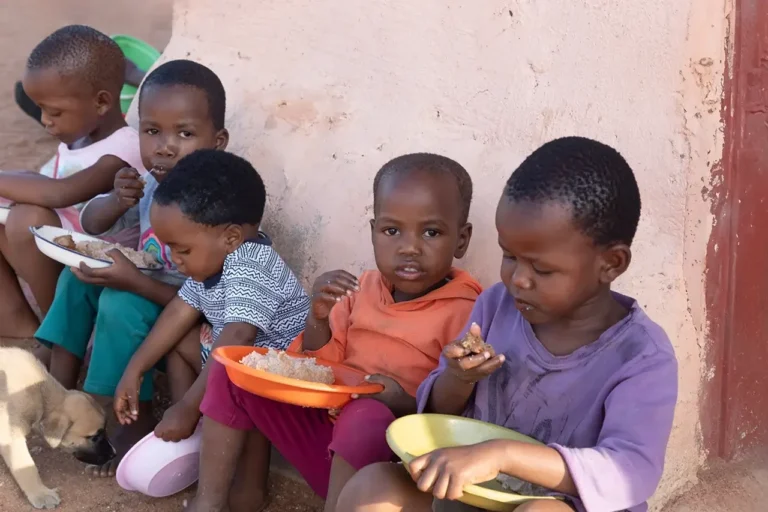
The Key to Sustainable Change in Good Causes
In a world where crises demand urgent responses, it is tempting to look for quick fixes. However, when it comes to building sustainable social impact, short-term solutions or one-time aid projects often fall short. At The Responsibles Foundation, we believe that the real key to long-lasting change lies in deeper empowerment of communities, not dependency. Therefore, we want to empower local communities with knowledge and support. Our mission is to uplift and equip communities by providing them with the tools needed for long-term success.
Why Quick Fixes Don’t Work
While quick fixes provide immediate relief in emergencies and they are necessary in dire circumstances, but they rarely lead to long-term transformation.
In many cases, they:
- Address symptoms rather than root causes
- Foster dependency on aid instead of independence
- Overlook local knowledge and leadership
This approach can unintentionally undermine the very communities we seek to help. That is why The Responsibles Foundation is committed to a different path, one that prioritizes empowering local communities to drive their own development.
Empowerment: Our Core Philosophy
In simple terms, empowerment means giving people the tools, confidence, and authority to take control of their lives and make meaningful decisions for their own future. Consequently, for us, empowerment means shifting the focus from charity to capacity-building. It means co-creating solutions with local communities instead of prescribing answers from the outside.
Our empowerment strategy is based on three guiding principles:
- Skills Over Charity: We invest in education, training, and hands-on learning, enabling individuals and communities to take charge of their own future, even long after our involvement ends.
- Ownership Over Dependency: True empowerment starts with local ownership. We involve community members and leaders in every step of the process, ensuring they are active participants, not passive recipients.
- Local Voices Over Outside Solution: Every community has its own challenges, strengths, and wisdom. We listen first. Local insight guides our programs, making them more relevant, impactful, and sustainable.
Our Vision for Empowered Communities
At The Responsibles Foundation, our goal is to create the conditions where communities can thrive independently because community empowerment is a collaborative process that emphasizes:
- Training Programs: To build and strengthen locally-needed skills.
- Resources and Tools: To turn local ideas into action and to realize local dormant visions.
- Leadership Development: To equip changemakers and inspire them to lead, organize, and drive change.
This is not just aid, this is capacity-building that lasts. For, by investing in these, we help communities design and lead their own solutions, building systems that last.
Shared Responsibility: Moving Beyond Good Intentions
Empowerment is not just our responsibility; it is a shared responsibility to everyone. It calls on individuals, donors, and organizations to:
- Move Beyond Good Intentions: Prioritize capacity, not just charity.
- Champion Local Leadership: Trust and support those closest to the challenges.
- Commit to the Long-Term: Real change takes time, trust, and sustained efforts with well-founded partnerships.
Real Impact Starts with Empowerment
Empowerment is the foundation and true driver of lasting social change. It is a long-term investment respecting the dignity, resilience, and leadership of communities. At The Responsibles Foundation, we are not here to “fix” problems, we’re here to co-create solutions that endure. Our commitment is to create the conditions for hope, innovation, and resilience, so that every community becomes the architect of its own future.
Let’s build a future where every community becomes the author of its own story. When we take responsibility together, empowerment becomes possible and transformation becomes inevitable.